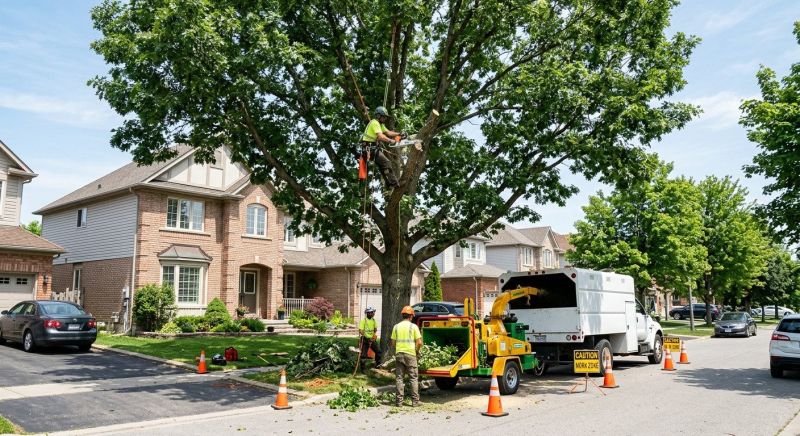
Tree Limbs Removal in San Jose, CA
Tree limbs removal services involve the careful trimming and removal of overhanging, damaged, or hazardous branches from trees on residential properties. This service is often requested for projects such as clearing dead or diseased limbs that could fall and cause damage, reducing the risk of injury, or improving the overall health and appearance of trees. Homeowners typically seek this work to maintain safety around their property, prevent interference with power lines or structures, or to enhance the aesthetic appeal of their yard.
Before requesting tree limbs removal, property owners should consider the size and location of the branches in question, as well as any potential impact on the tree’s health. It’s helpful to understand the extent of the trimming needed, whether the work involves just a few branches or more extensive pruning, and if any permits are required for larger or more invasive cuts. Clear communication about the specific concerns and goals can ensure the project aligns with safety standards and local regulations.
Many property owners in San Jose, CA look into Tree Limbs Removal for repairs, replacements, upgrades, and appearance-related improvements.
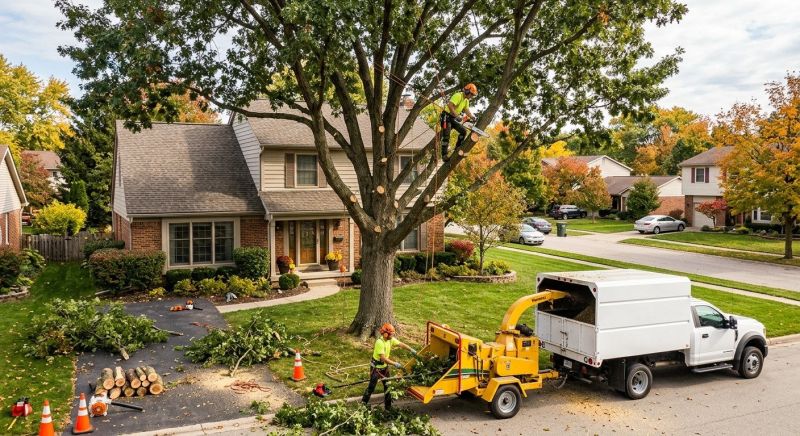
Tree Limb Safety
Removing hazardous branches can help prevent property damage and personal injury.
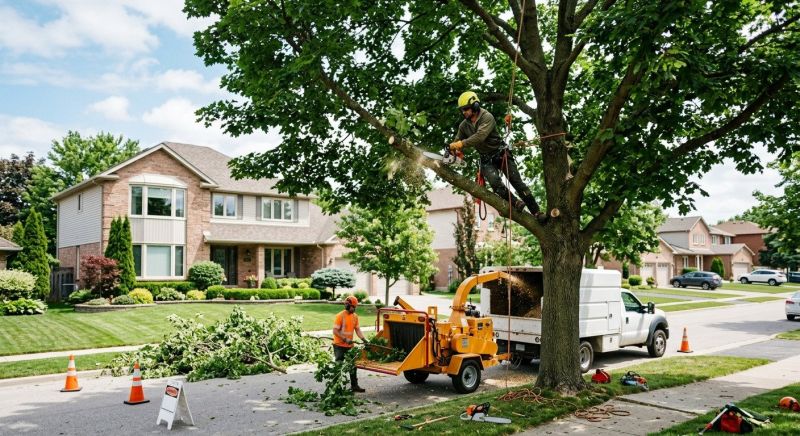
Property Maintenance
Regular limb removal supports the health and appearance of trees on residential and commercial properties.
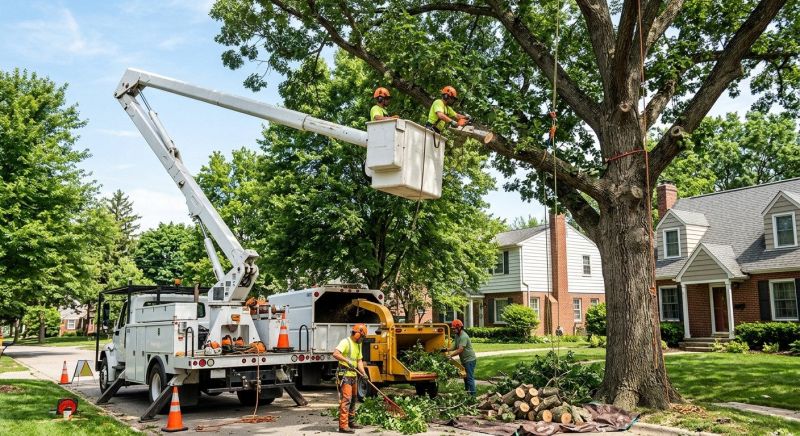
Storm Damage Prevention
Proactive limb trimming reduces the risk of storm-related breakage and fallen branches in san jose, ca.
Tree Limbs Removal in San Jose, CA
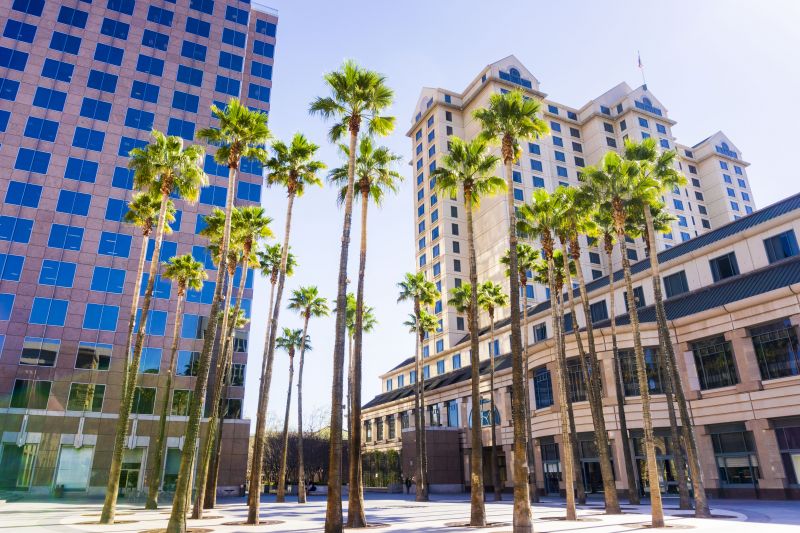
Tree limbs removal services involve the careful trimming and removal of overhanging, damaged, or hazardous branches from trees on residential properties. This service is often requested for projects such as clearing dead or diseased limbs that could fall and cause damage, reducing the risk of injury, or improving the overall health and appearance of trees. Homeowners typically seek this work to maintain safety around their property, prevent interference with power lines or structures, or to enhance the aesthetic appeal of their yard.
Before requesting tree limbs removal, property owners should consider the size and location of the branches in question, as well as any potential impact on the tree’s health. It’s helpful to understand the extent of the trimming needed, whether the work involves just a few branches or more extensive pruning, and if any permits are required for larger or more invasive cuts. Clear communication about the specific concerns and goals can ensure the project aligns with safety standards and local regulations.
Many property owners in San Jose, CA look into Tree Limbs Removal for repairs, replacements, upgrades, and appearance-related improvements.
Common Tree Limbs Removal Jobs
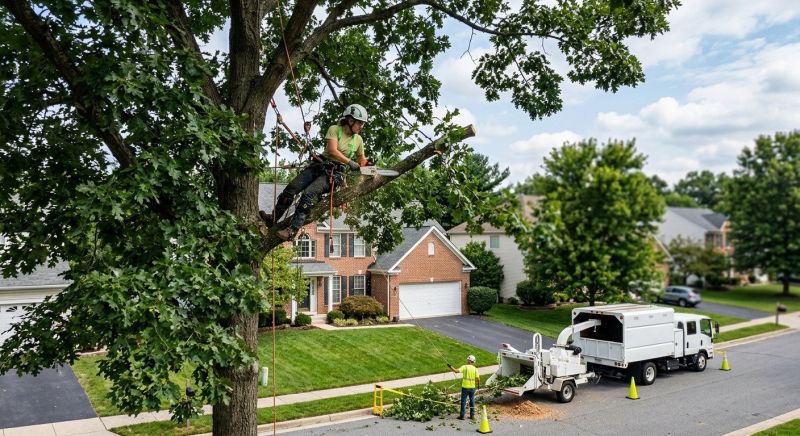
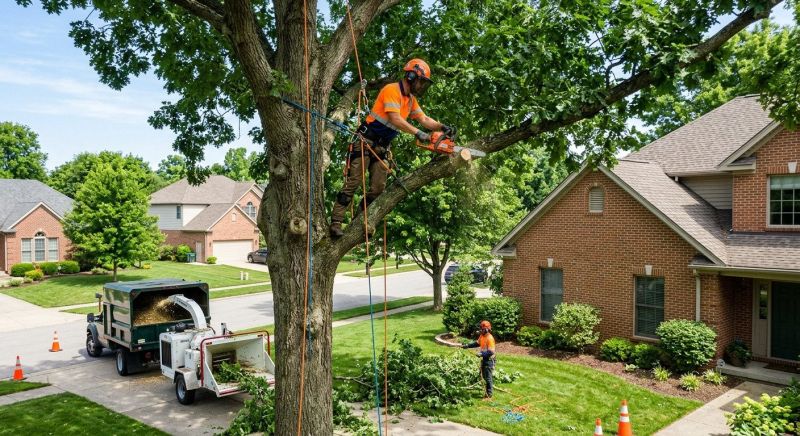
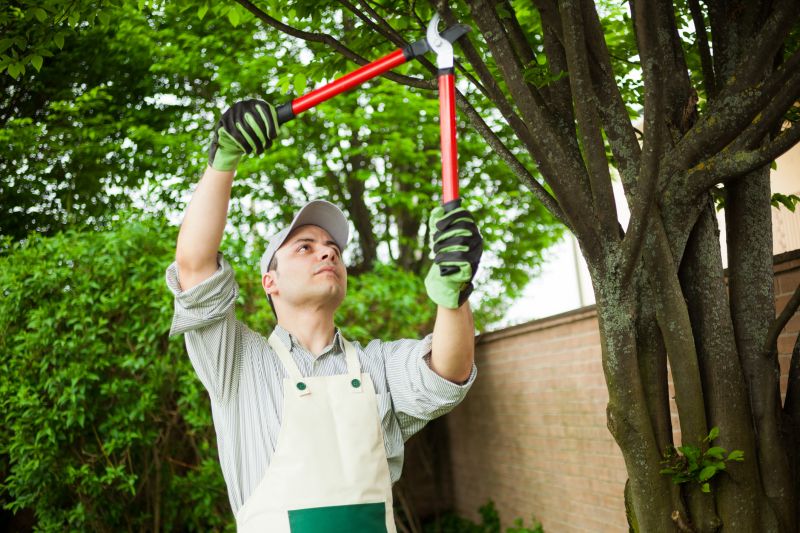
Tree limb removal - safely removing overhanging or damaged branches to improve tree health.
Emergency limb removal - quickly clearing broken or hazardous limbs after storms or severe weather.
Crown thinning - reducing limb density to allow more sunlight and airflow through the canopy.
Selective limb removal - targeting specific branches to shape the tree and prevent future issues.
Hazardous limb removal - removing limbs that pose a risk to property or people below.
Tree trimming for clearance - cutting limbs to provide unobstructed pathways and utility lines.
Tree Limbs Removal Questions
What is tree limbs removal? Tree limbs removal involves cutting away overgrown or hazardous branches to improve tree health and safety.
When should tree limbs be removed? Limb removal is recommended when branches are broken, diseased, or pose a risk to property or people.
Does removing tree limbs affect the tree? Proper limb removal can promote healthy growth and prevent damage, without harming the overall tree.
What types of projects typically require limb removal? Common projects include clearing overhangs, removing dead or damaged branches, and reducing weight for safety reasons.
Request Tree Limbs Removal in San Jose, CA
Use the quote form on this page to share the basics of your project and request more information for the type of work you need.